August 27, 2026
The foundation of any enduring building relies entirely upon the specialized expertise of professionals who assemble its initial wooden or metal skeleton. These dedicated specialists navigate complex architectural blueprints and rigorous engineering plans to guarantee that every wall, floor, and roof assembly meets stringent safety standards. Without their crucial foundational work, the subsequent stages of the construction process would simply lack the necessary structural integrity to proceed safely. This vital initial phase sets the definitive tone for the entire building project, demanding absolute precision and an unwavering commitment to exceptional craftsmanship.
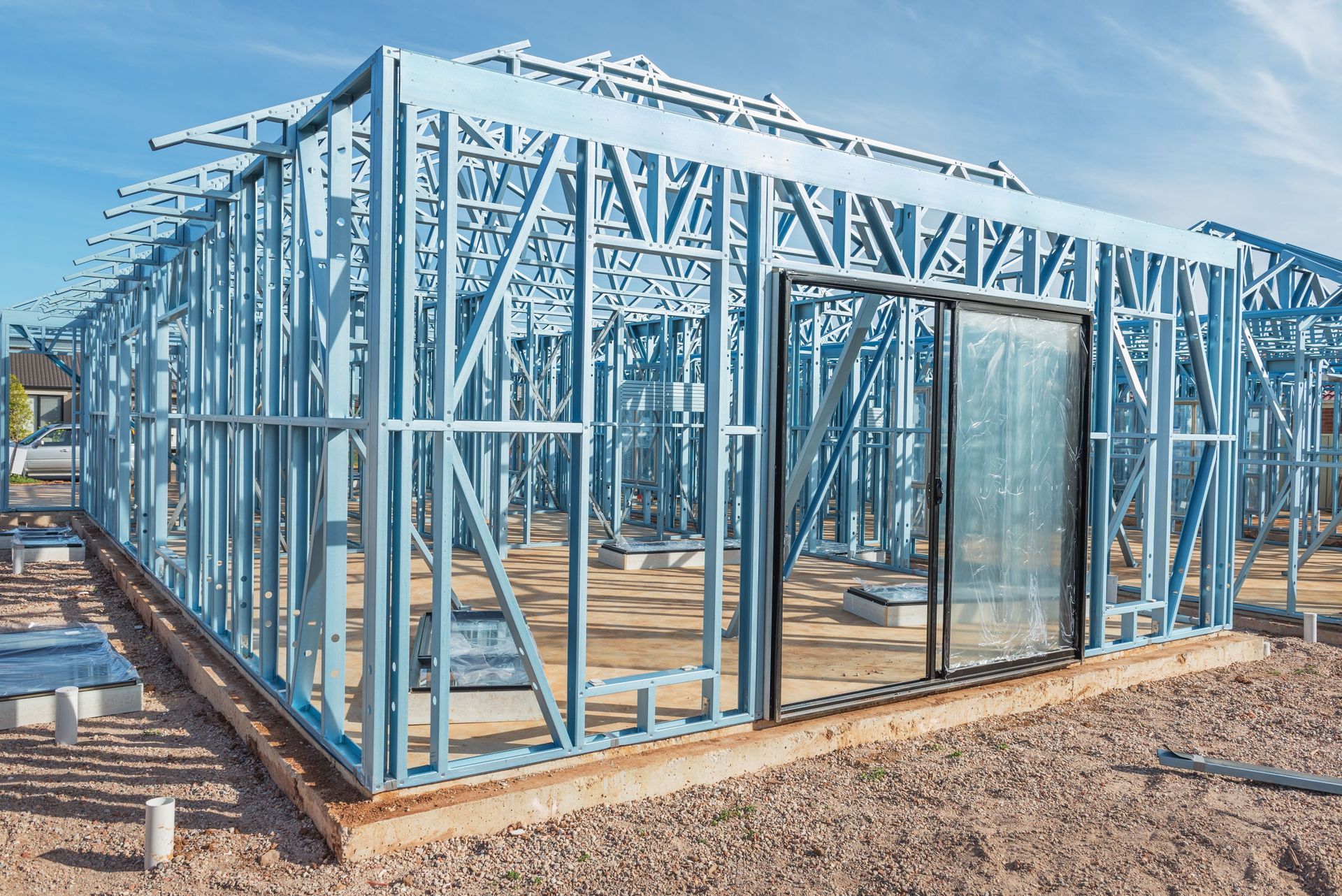
Understanding the vast scope of this industry requires looking at the diverse range of projects these professionals handle daily. According to IBISWorld, the United States currently hosts 15,639 independent businesses operating specifically within the steel skeleton installation sector. Whether working with heavy-gauge metal or traditional timber, a highly skilled framing contractor brings essential knowledge to both commercial and residential job sites. By examining their most common project types, property owners can better appreciate the immense value these structural experts provide.
1. Constructing Expansive Commercial Facilities
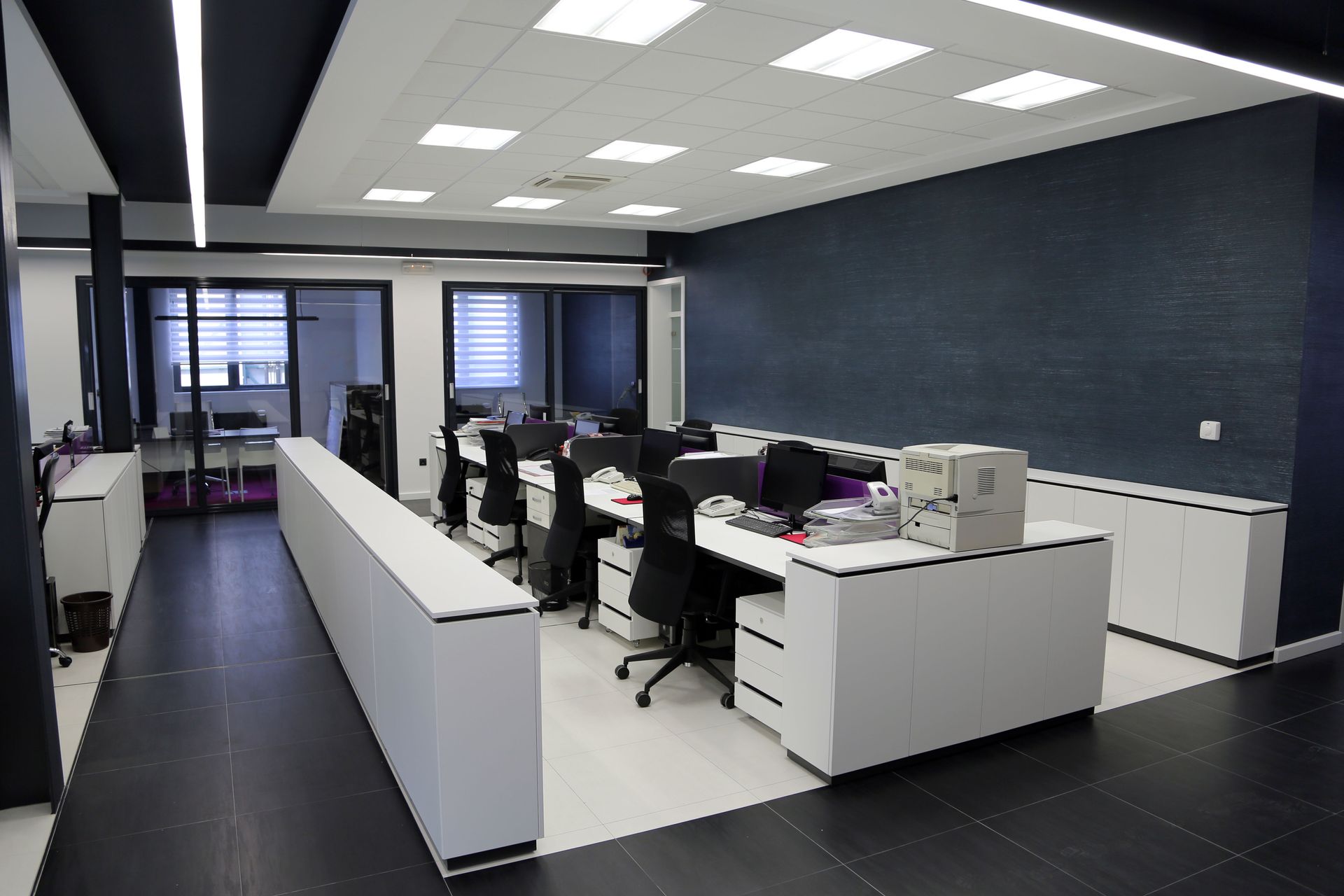
The development of large-scale commercial facilities presents unique challenges that require immense planning and specialized structural knowledge. When tackling these massive undertakings, a framing contractor must coordinate seamlessly with other trades to ensure the building's skeleton can support heavy use. These structures often feature sprawling open floor plans, requiring heavy-duty steel studs and reinforced load-bearing beams to maintain stability over vast interior distances. Furthermore, commercial codes mandate strict adherence to fire safety and load distribution regulations, which must be perfectly executed during assembly.
Commercial projects frequently operate on incredibly tight deadlines, meaning the structural installation must proceed with maximum efficiency. Teams often deploy prefabricated wall panels and advanced lifting machinery to accelerate the erection process without sacrificing overall safety or precision. This modernized approach allows the crew to cover extensive square footage rapidly while keeping the overall project schedule firmly on track. Efficient project management during this specific phase ultimately dictates the financial success of the entire commercial development.
In addition to standard office buildings, these commercial endeavors often include massive warehouses, bustling retail centers, and complex healthcare facilities that demand customized structural solutions. A seasoned framing contractor understands how to quickly adapt their installation techniques to meet the highly specialized demands of various commercial sectors. Ultimately, their meticulous attention to detail ensures that these vital economic hubs remain entirely safe and functional for many decades to come.
2. Building Custom Residential Homes
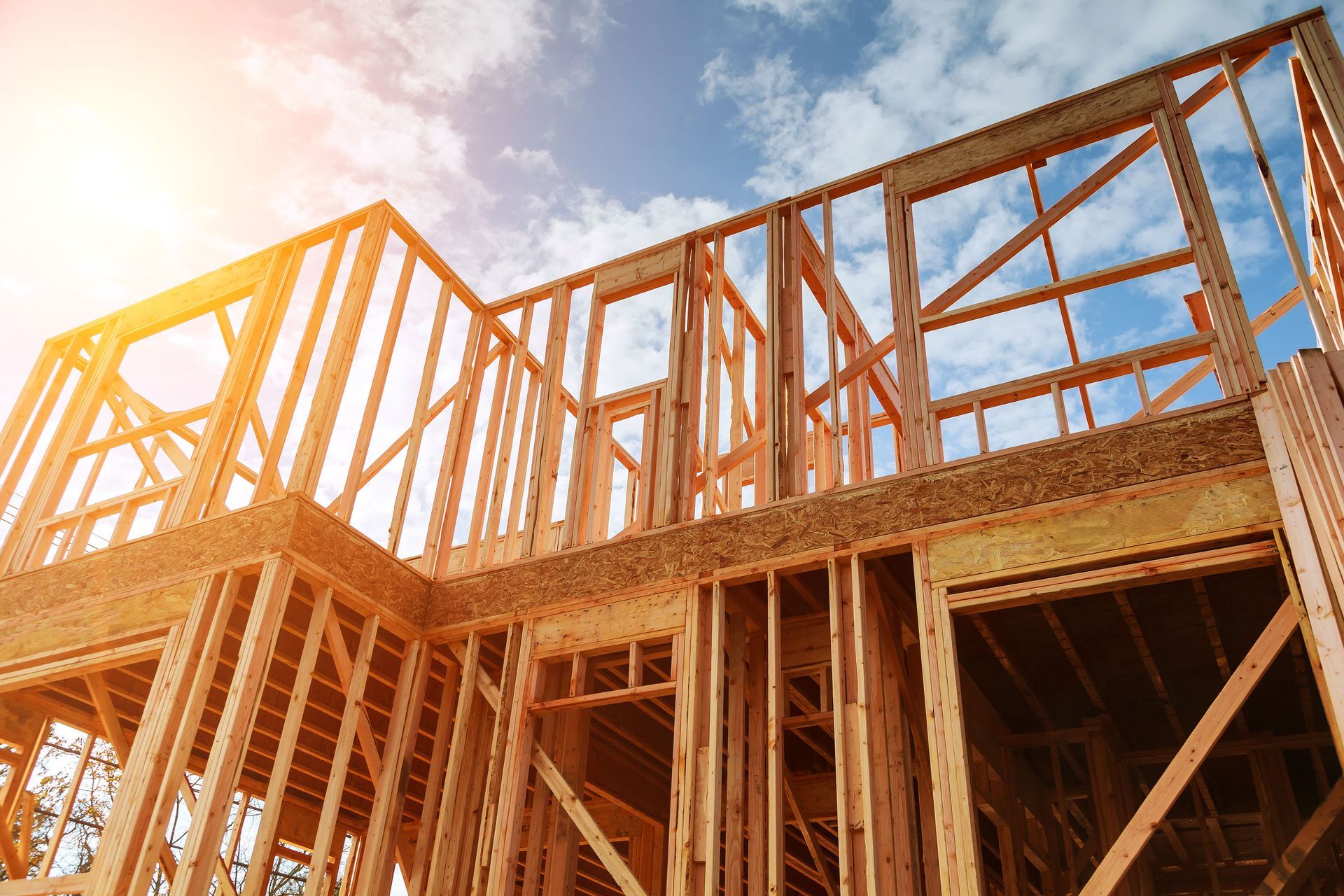
Transitioning from commercial sites to residential neighborhoods, the construction of custom homes introduces an entirely different scale of structural artistry. Homeowners typically bring personalized visions to these projects, demanding unique architectural features like vaulted ceilings, intricate roof pitches, and expansive window openings. Bringing these complex residential designs to life requires an intimate understanding of timber mechanics and traditional wood carpentry techniques. The structural crew must accurately translate a family's dream aesthetic into a physically viable and secure living environment.
Unlike uniform commercial spaces, custom homes often feature irregular layouts that require on-the-fly problem-solving and structural creativity. A dedicated framing contractor will meticulously measure and cut each piece of lumber to accommodate sweeping staircases, sunken living rooms, and complex dormer additions. Every single stud, joist, and rafter must align perfectly to prevent future issues with drywall installation, flooring levelling, and overall structural settling. This hands-on residential work is often considered the purest form of the craft, blending physical labor with refined geometric calculations.
Furthermore, modern residential construction places a heavy emphasis on long-term energy efficiency and highly sustainable building practices. By meticulously sealing the building envelope and integrating advanced continuous insulation during the structural installation phase, these professionals help property owners achieve significant utility cost reductions. The final result of this careful labor is a beautiful, custom-tailored residence that remains both structurally impenetrable and environmentally responsible for generations.
3. Renovating Historic Property Structures
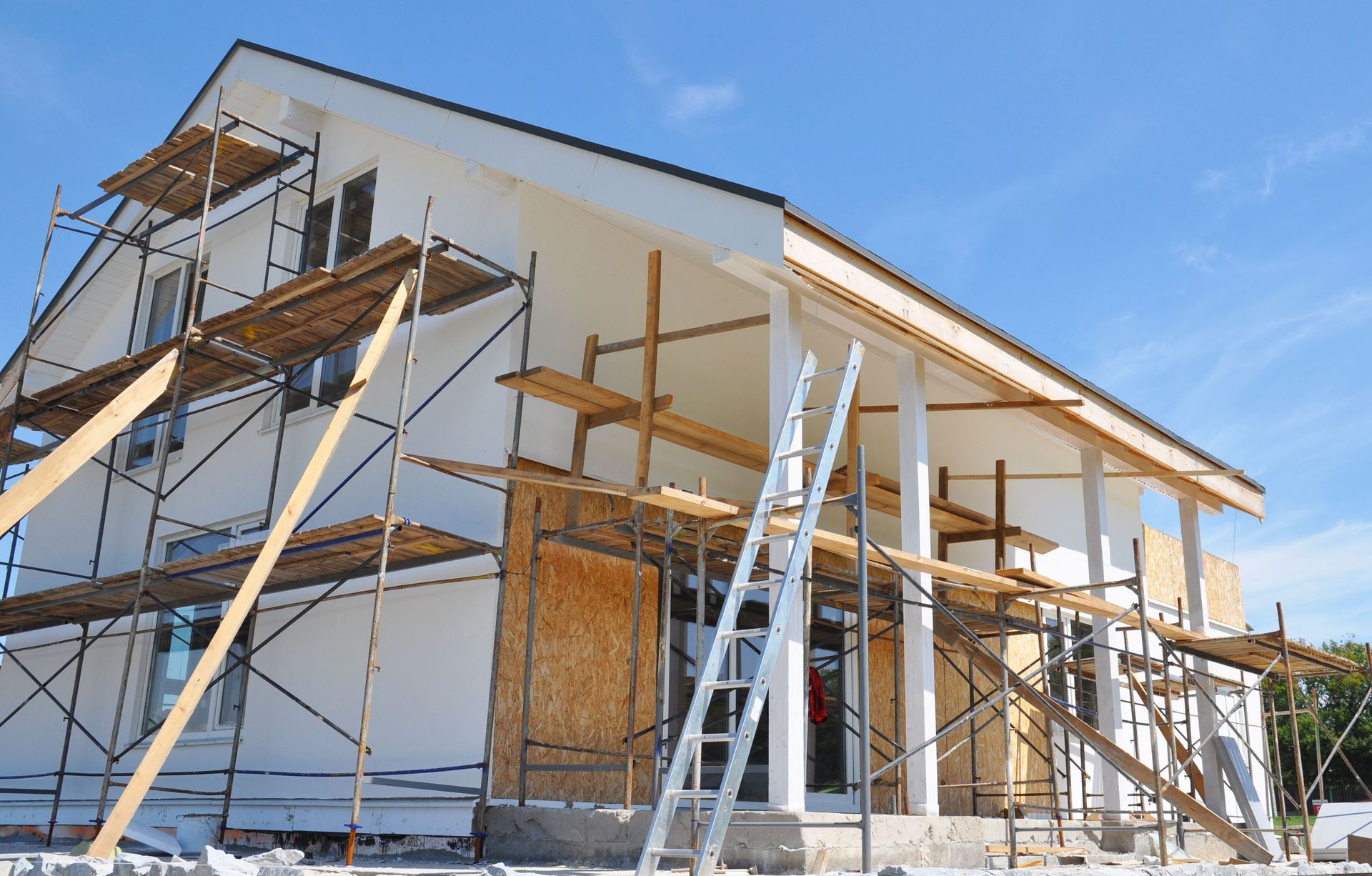
While new construction represents a massive portion of the industry, the meticulous renovation of historic properties requires an entirely distinct skill set. Older buildings frequently hide extensive structural decay, termite damage, or foundational shifting that only becomes apparent once the interior walls are opened. When faced with these daunting historical restorations, an experienced framing contractor must carefully assess the existing skeleton before attempting to integrate any new support materials. This delicate balancing act involves preserving original historic timber while simultaneously upgrading the building to meet modern safety codes.
The process of reinforcing an older structure often involves sistering new joists alongside sagging antique beams or utilizing temporary shoring to lift settling roofs without causing structural collapse. Navigating the unpredictable nature of century-old construction materials demands a profound level of patience, historical architectural knowledge, and advanced structural ingenuity. Successful historical renovations ultimately breathe vibrant new life into decaying landmarks, preserving vital community history while ensuring absolute structural safety.
Additionally, historic structures were originally built using dimensional standards that differ vastly from the uniform lumber sizes utilized in modern construction. A highly adaptable framing contractor excels in this unpredictable environment by custom-milling or modifying replacement materials on-site to expertly bridge the gap between centuries-old craftsmanship and contemporary engineering. Their precise restorative efforts guarantee that these beloved architectural treasures can continue to safely host families and businesses well into the future.
4. Developing Multi-Family Housing Units
The rapid expansion of urban populations has drastically increased the demand for multi-family housing units, including sprawling apartment complexes and interconnected townhomes. These high-density residential projects blend the massive scale of commercial developments with the intricate interior detailing typically found in standalone homes. Managing the structural assembly of a massive apartment complex requires a framing contractor to oversee dozens of crew members operating simultaneously across multiple building levels. Maintaining rigorous quality control across hundreds of identical housing units ensures that the entire complex remains structurally sound and safe.
Multi-family developments also demand strict compliance with specialized acoustic and fire-separation regulations designed to protect residents living in proximity. Structural teams must meticulously install specialized firewalls and sound-dampening channel systems between every single adjoining apartment unit to prevent noise pollution. The precise installation of these specialized structural boundaries is absolutely critical for passing rigorous municipal inspections and securing the final certificate of occupancy. Failure to execute these complex separation techniques perfectly can result in massive financial delays and severe legal liabilities for the property developers.
Because these high-density projects are often financed by large investment groups, adhering to strict, non-negotiable construction schedules is absolutely imperative for overall profitability. By utilizing standardized floor plans and repetitive structural techniques, the team can establish a highly efficient rhythm that drastically accelerates the daily construction timeline. This systematic approach allows developers to quickly transition from the initial skeleton assembly phase to interior finishing, ultimately welcoming new residents much faster.
From towering commercial office buildings and sprawling multi-family apartment complexes to historically significant restorations and custom homes, the structural assembly industry encompasses a diverse range of demanding projects. Each unique construction site presents its own distinct set of logistical hurdles, architectural complexities, and stringent safety codes that must be expertly navigated. Hiring a qualified
framing contractor provides property developers and individual homeowners with the profound peace of mind that their building’s foundational skeleton is flawlessly constructed. Their hidden, foundational work ultimately serves as the vital backbone for our modern infrastructure, quietly supporting the vibrant spaces where we live and work.
At J & H Specialty Contracting, we pride ourselves on delivering structurally flawless installations for projects of absolutely any size or complexity. We encourage you to reach out to our dedicated team today to discuss how our premium structural services can elevate your next major building endeavor. Let us bring our decades of combined industry expertise to your upcoming project and build a stunning space that will safely stand the test of time.