March 5, 2026
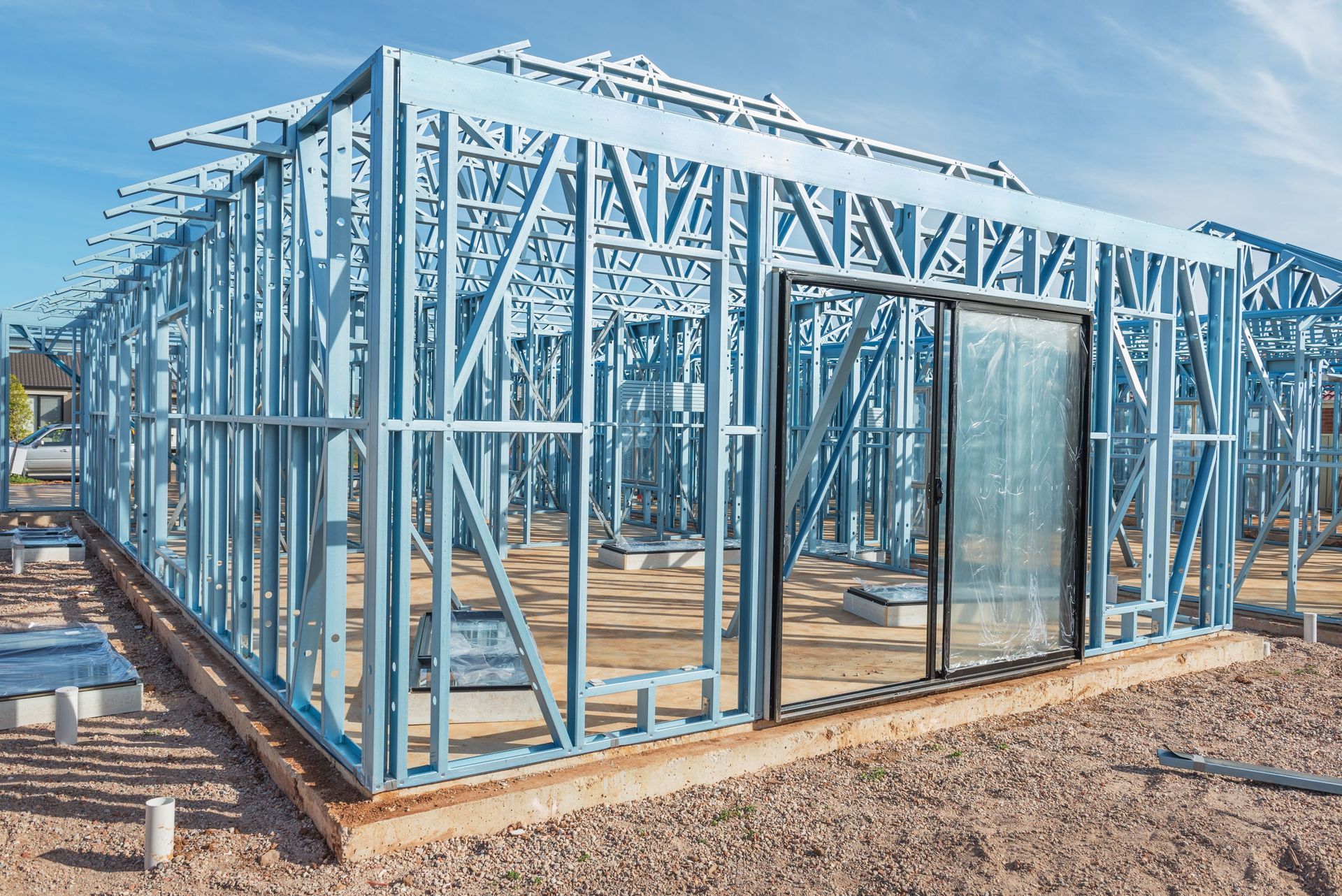
The landscape of modern architecture is shifting toward materials that offer long-term durability and structural integrity. For many developers and project managers, choosing the right skeletons for their buildings is the most critical decision in the pre-construction phase. While traditional materials have had their place in history, the rise of steel has transformed the way we approach large-scale projects. Selecting commercial framing made of steel ensures that a structure can withstand environmental pressures while maintaining its shape for decades to come. As the industry evolves, understanding why steel has become the gold standard is essential for any successful build. When we look at the skyline of a modern city, we are essentially looking at the triumph of metallurgical engineering. Steel provides a strength-to-weight ratio that is simply unmatched by other common building materials. This allows for more creative architectural designs, including longer spans and more open floor plans. By utilizing commercial framing techniques that prioritize steel, contractors can achieve heights and complexities that were previously thought impossible. Beyond the aesthetics, the predictable nature of steel components means that engineers can calculate loads with extreme precision, reducing the risk of structural failure over the life of the building.
Maximizing Structural Integrity
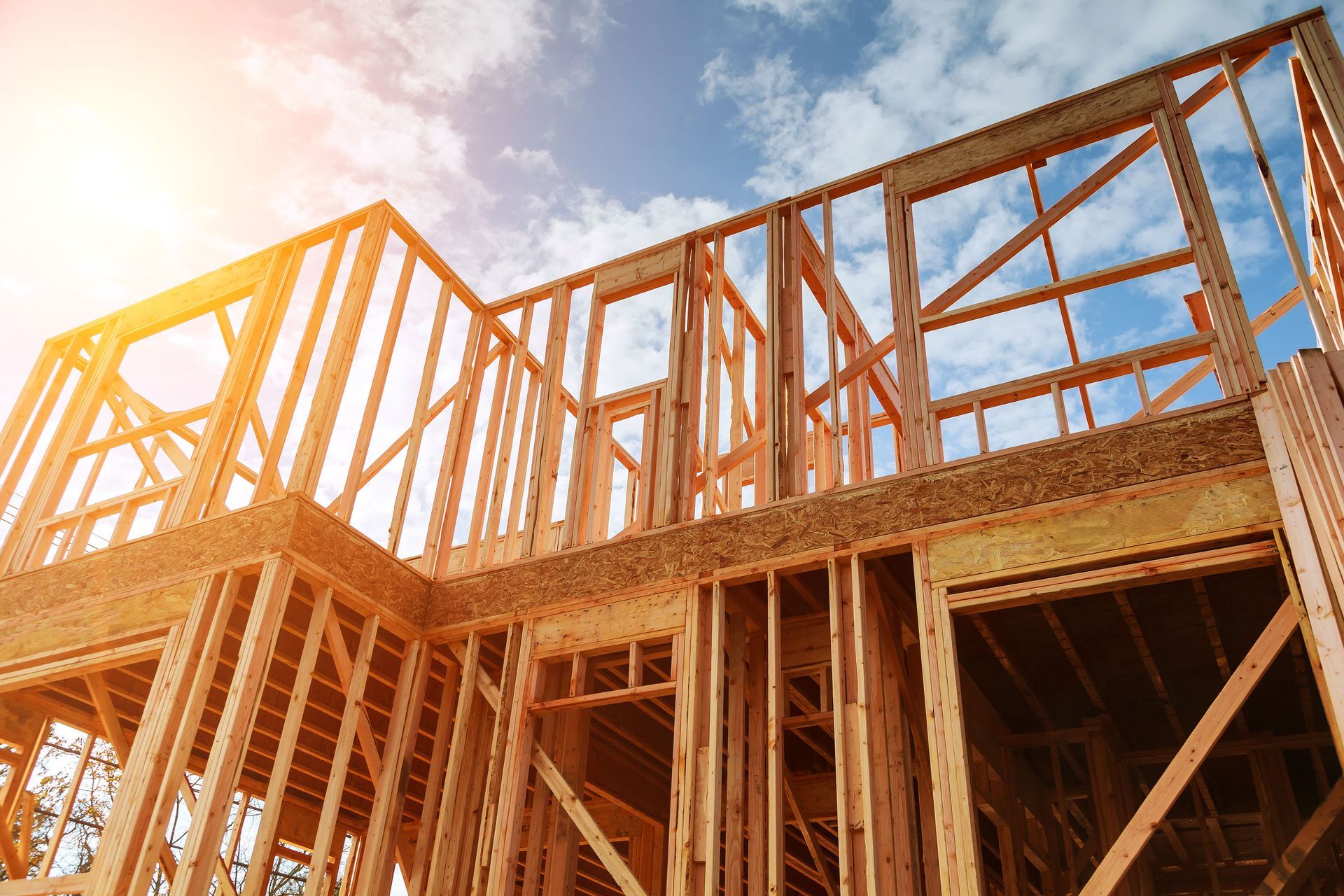
One of the primary reasons professionals pivot toward steel is its inherent resistance to the elements. Unlike wood, steel does not warp, rot, or twist over time. This dimensional stability is a cornerstone of quality commercial framing. When a building's frame stays true to its original measurements, it prevents secondary issues such as cracked drywall, sticking doors, or gaps in window seals. This level of reliability is why so many high-traffic buildings rely on steel to maintain their professional appearance and safety standards year after year. Furthermore, steel is non-combustible. In the event of a fire, the structural skeleton of the building provides a much higher level of safety for occupants and first responders alike. Because steel does not provide fuel for a fire, it can help contain a blaze and prevent a total structural collapse. This fire resistance often leads to lower insurance premiums for property owners, making the initial investment in high-quality commercial framing a financially savvy move in the long run. When safety and longevity are the priorities, steel is the obvious choice. This is reinforced by the scale of its use in the industry. According to the Steel Framing Industry Association, between 30 and 35 percent of all nonresidential buildings in the US are built with cold-formed steel structural framing. This statistic highlights how integral this material has become to our modern infrastructure.
Promoting Environmental Sustainability
Sustainability is no longer a buzzword; it is a requirement in the modern construction sector. Steel is one of the most recycled materials on the planet. Most modern steel beams and studs are comprised of a significant percentage of recycled content, and at the end of a building's lifecycle, the frame can be melted down and repurposed once again. This circular economy makes commercial framing with steel an eco-friendly alternative to materials that contribute to deforestation or end up in landfills. By choosing steel, developers are actively reducing the carbon footprint of their projects. The efficiency of steel also extends to the construction site itself. Because many steel components are pre-engineered to exact specifications, there is very little waste produced during the assembly process. Precision cutting in a controlled environment means that only the necessary amount of material is shipped to the site. This streamlined approach to commercial framing not only saves on material costs but also keeps the job site cleaner and safer for the crew. It is a win-win for both the environment and the project budget. Additionally, the light weight of steel compared to concrete reduces the energy required for transportation and installation. Smaller foundations are often possible when using steel, which reduces the amount of concrete needed for the base of the building. This ripple effect of efficiency demonstrates how choosing the right framing material can influence the environmental impact of the entire project from the ground up.
Optimizing Construction Timelines
Time is money in the world of development, and steel is designed for speed. Because steel components are manufactured off-site, they arrive ready to be bolted or welded into place. This assembly allows the commercial framing phase to move much faster than traditional masonry or heavy timber construction. Shorter construction timelines mean that buildings can be occupied sooner, allowing businesses to begin operations and developers to start seeing a return on their investment much earlier than anticipated. The predictability of steel also helps avoid weather-related delays. While wood can be compromised by moisture or extreme humidity during the build, steel remains unaffected by the rain or snow. This allows crews to continue working on the
commercial framing regardless of the season. When a project stays on schedule, it reduces labor costs and keeps the entire supply chain moving smoothly. In an industry where a few weeks of delay can cost significant amounts of money, the speed of steel is an invaluable asset. Pre-fabrication also means that on-site labor requirements are reduced, which is a major benefit in a market where skilled labor can be difficult to source. The entire process becomes more like an assembly line, where each piece fits perfectly into the next, ensuring that the project hits every milestone on time.
Reducing Long-Term Maintenance
Once the construction phase is over, the focus shifts to the cost of ownership. Buildings with steel skeletons require significantly less maintenance than those built with organic materials. There is no risk of termite infestations, which can decimate the structural integrity of wood-framed buildings and require expensive chemical treatments. Since steel does not absorb moisture, property owners do not have to worry about mold or mildew growth within the walls. This leads to better indoor air quality and a healthier environment for the people working inside. The long-term savings on repairs and preventative treatments make steel an incredibly cost-effective choice. Over the course of several decades, the reduction in maintenance costs can offset the initial costs of higher-quality materials. When you consider the total cost of ownership, including insurance, repairs, and energy efficiency, the case for steel becomes even stronger. It is a material that protects the investment of the developer while providing a safe, clean, and durable space for the end-user. This reliability ensures that the building remains an asset rather than becoming a liability filled with hidden structural problems that emerge years after the ribbon-cutting ceremony. The peace of mind that comes with knowing the core of your building is impervious to rot and pests is a value that cannot be overstated for long-term property management.
The shift toward steel in the construction industry is driven by a need for strength, speed, and sustainability. By prioritizing high-quality framing, developers are ensuring that their structures are built to last while remaining adaptable to the needs of the future. The benefits of steel extend from the initial design phase all the way through the decades of a building's functional life. Choosing the right partner for your structural needs is the first step toward a successful and durable project. J & H Specialty Contracting has the expertise to guide your next build toward excellence. Call J & H Specialty Contracting today to learn more about how our team can support your construction goals and provide the structural integrity your project deserves.