April 25, 2026
The way a space sounds can shape how people feel, focus, and interact throughout the day. In homes, offices, schools, and commercial buildings, noise often becomes part of the background until it starts to interfere with comfort and productivity. Conversations become harder to follow, distractions increase, and even attractive interiors can feel less functional when sound is bouncing from every direction. That is why more property owners are paying closer attention to overhead design. An acoustic ceiling can help soften harsh noise, support clearer communication, and create a more balanced indoor environment. Beyond appearance alone, ceiling systems play an important role in how a room performs. When sound control is treated as a practical design priority rather than an afterthought, the result is often a space that feels more welcoming, more efficient, and easier to use every day.
Improving Daily Comfort
Comfort is often associated with temperature, lighting, and furniture, but sound has just as much influence on how a room feels. A space that looks polished can still feel stressful when echoes, mechanical noise, and overlapping conversations create constant disruption. In busy households, this can make it harder to relax. In offices or waiting rooms, it can leave people feeling mentally drained by the end of the day. Installing an acoustic ceiling helps reduce those effects by absorbing sound that would otherwise reflect across hard surfaces.
This improvement can be especially noticeable in rooms with tall ceilings, open layouts, or minimal soft finishes. Without enough sound absorption, a space can feel louder than expected even when only a few people are present. By helping manage reverberation, an acoustic ceiling contributes to a calmer atmosphere that supports both comfort and functionality. Instead of sound building up and lingering in the room, the ceiling works as part of a larger strategy to make the environment feel quieter and more controlled.
Reducing Distractions in Workspaces
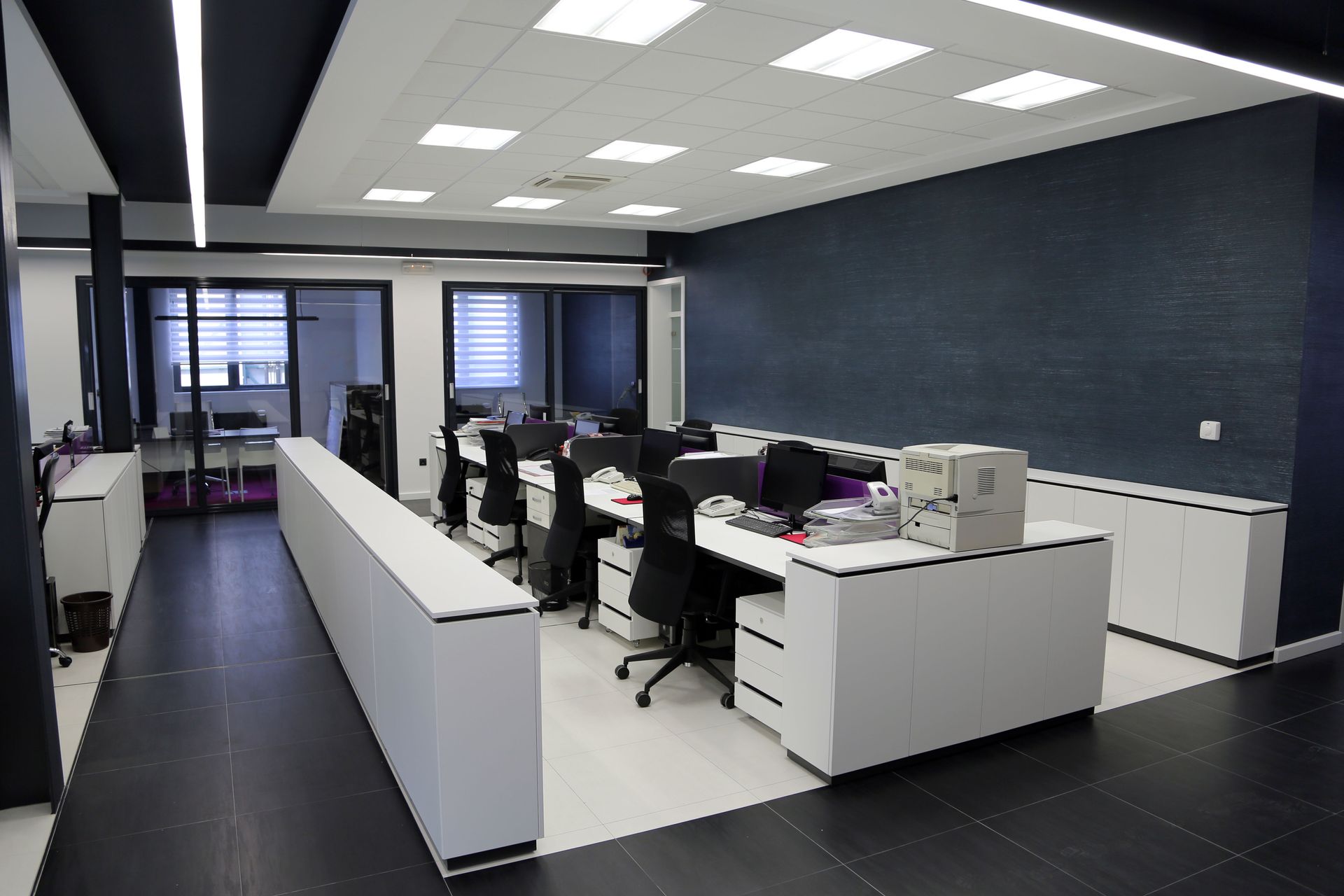
Work environments depend on focus, yet many workplaces struggle with constant noise from conversations, phones, printers, HVAC equipment, and foot traffic. These interruptions may seem minor on their own, but over time they can reduce concentration and increase frustration. That is one reason ceiling design deserves more attention in office planning and commercial renovations. According to The Total Office, 62% of workers identified noise as the most distracting part of their workplace. That figure highlights why businesses continue looking for practical ways to improve daily performance without overhauling an entire floor plan.
An acoustic ceiling offers a direct way to support better concentration by helping limit the spread of sound through shared areas. In conference rooms, it can make discussions easier to hear and understand. In open offices, it can reduce the sense that every conversation is happening at once. In client-facing settings, it can also create a more polished experience by lowering background noise and improving speech clarity. When business owners want a space to support productivity as well as presentation, better sound control becomes a smart investment rather than an optional extra.
Supporting Clearer Communication
One of the most overlooked benefits of sound management is the effect it has on communication. People do not just need quieter rooms; they need rooms where voices can be heard clearly. When sound reflects too much, words begin to blur together, especially in places where multiple conversations happen at the same time. This can lead to repeated questions, misunderstandings, and fatigue for both staff and visitors. In classrooms, medical facilities, offices, and reception areas, communication quality directly affects how smoothly the environment functions.
An acoustic ceiling helps by reducing excess reverberation so speech becomes more intelligible. That does not mean eliminating all sound. Instead, it means creating a balance where important sounds carry while distracting noise is softened. This distinction matters in settings where instructions, presentations, or private conversations need to be heard accurately. A well-chosen acoustic ceiling can also support accessibility by making it easier for people to follow speech in spaces that might otherwise feel overwhelming. When a room allows people to listen without strain, it becomes easier to collaborate, serve customers, and move through the day with less stress.
Enhancing Design Without Sacrificing Performance
Some property owners hesitate to prioritize sound control because they assume functional materials will limit their design choices. In reality, modern ceiling systems are available in a wide range of styles, finishes, and layouts that can complement both classic and contemporary interiors. Whether a project calls for a clean commercial look, a refined office setting, or a more customized architectural finish, sound-conscious products can be selected to support the visual direction of the room.
This matters because ceiling design is often one of the largest visual surfaces in any interior. It influences how finished, professional, and cohesive a space appears. Choosing an acoustic ceiling allows property owners to improve performance while still creating an attractive setting that aligns with the rest of the building. In many cases, these systems can also help conceal mechanical components, improve light diffusion, and contribute to a more organized overall appearance. When aesthetics and function work together, the result is a space that not only looks complete but also performs better for the people using it every day.
Adapting Solutions to Different Types of Spaces
No two buildings have the same sound challenges, which is why ceiling solutions should be matched to the needs of the space rather than selected with a one-size-fits-all approach. A medical office may need quieter exam rooms and reception areas. A school may need better speech clarity in classrooms and shared spaces. A retail location may want to reduce the harshness of a large open area while preserving an energetic atmosphere. Even residential spaces can benefit from improved sound control in basements, media rooms, and multiuse family areas.
Because of these differences, professionals often evaluate room size, ceiling height, existing materials, and the type of activity taking place before recommending a system. An acoustic ceiling that works well in one setting may not be the best fit for another. Thoughtful planning helps ensure the materials support the actual goals of the property, whether that means improving privacy, reducing echo, or creating a more comfortable experience for employees and guests. When the solution is tailored to the environment, the benefits of an acoustic ceiling become more noticeable and more consistent over time.
Adding Long-Term Value to Interior Improvements
Property improvements tend to be most successful when they solve everyday problems while also contributing to long-term value. Sound control fits that standard because it affects how a space functions from the moment people begin using it. A quieter, more comfortable room can leave a stronger impression on clients, help employees stay focused, and make shared environments easier to manage. These practical benefits often continue long after the installation is complete, which makes ceiling upgrades worth considering during remodels, tenant improvements, and new construction projects.
An acoustic ceiling can also complement other performance goals, including lighting efficiency, maintenance access, and a cleaner finished look. For property owners trying to make thoughtful decisions about materials, that combination of benefits can be appealing. Rather than treating noise control as a separate issue, it becomes part of a broader strategy for creating a better interior environment. When comfort, communication, and functionality all improve together, the value of the project becomes easier to see. Call J & H Specialty Contracting today to schedule your contracting service.