February 26, 2026
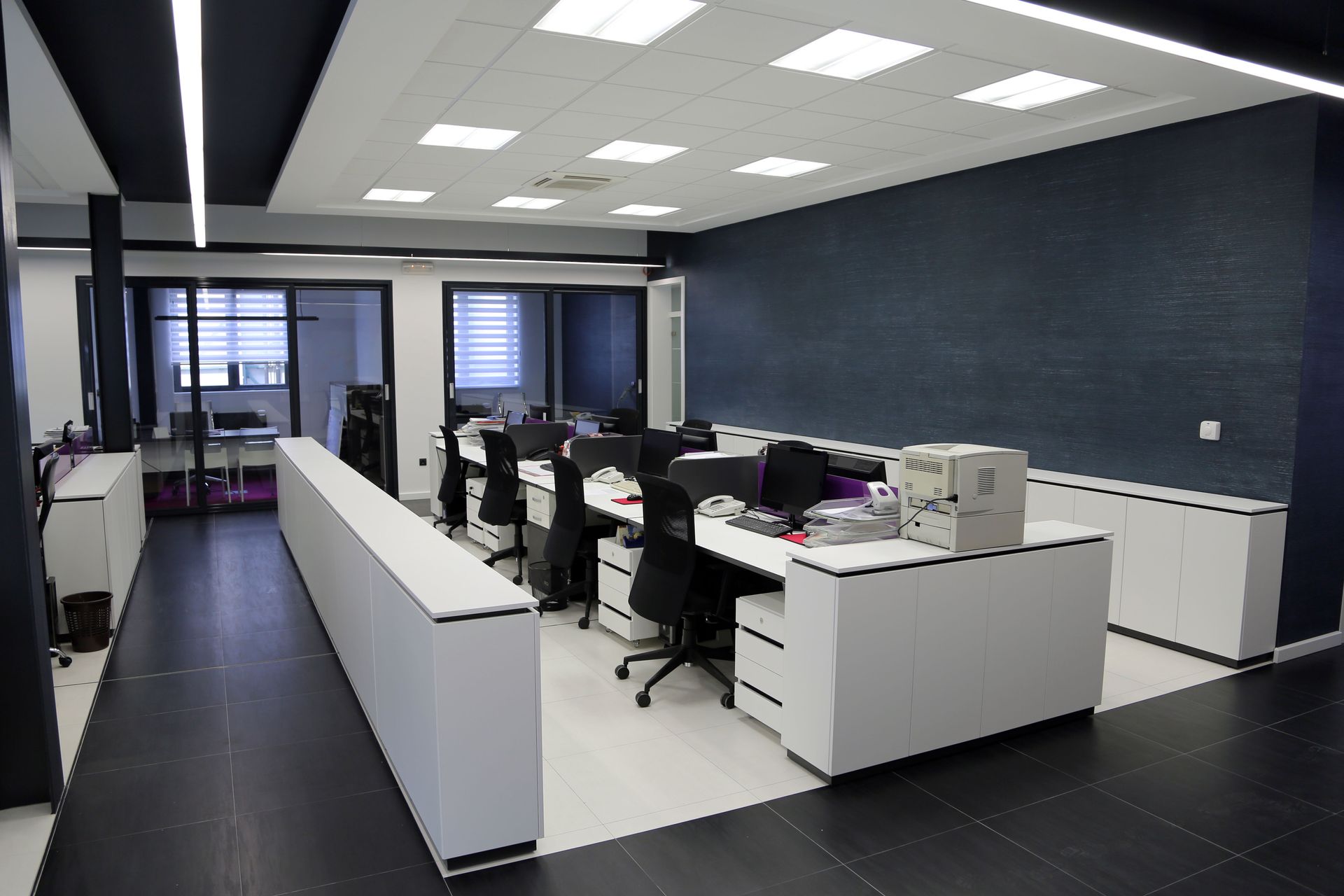
Acoustic ceilings have become a prominent feature in modern architecture, not only enhancing the aesthetic appeal of a space but also providing significant functional benefits. These ceilings are primarily designed to control and improve the acoustics within a room, effectively managing sound levels and quality. Typically found in a variety of settings ranging from schools, offices, auditoriums to residential apartments, acoustic ceilings serve both practical and decorative purposes. By absorbing unwanted noise and reducing reverberation, they contribute to creating a more pleasant environment.
Understanding Acoustic Ceilings
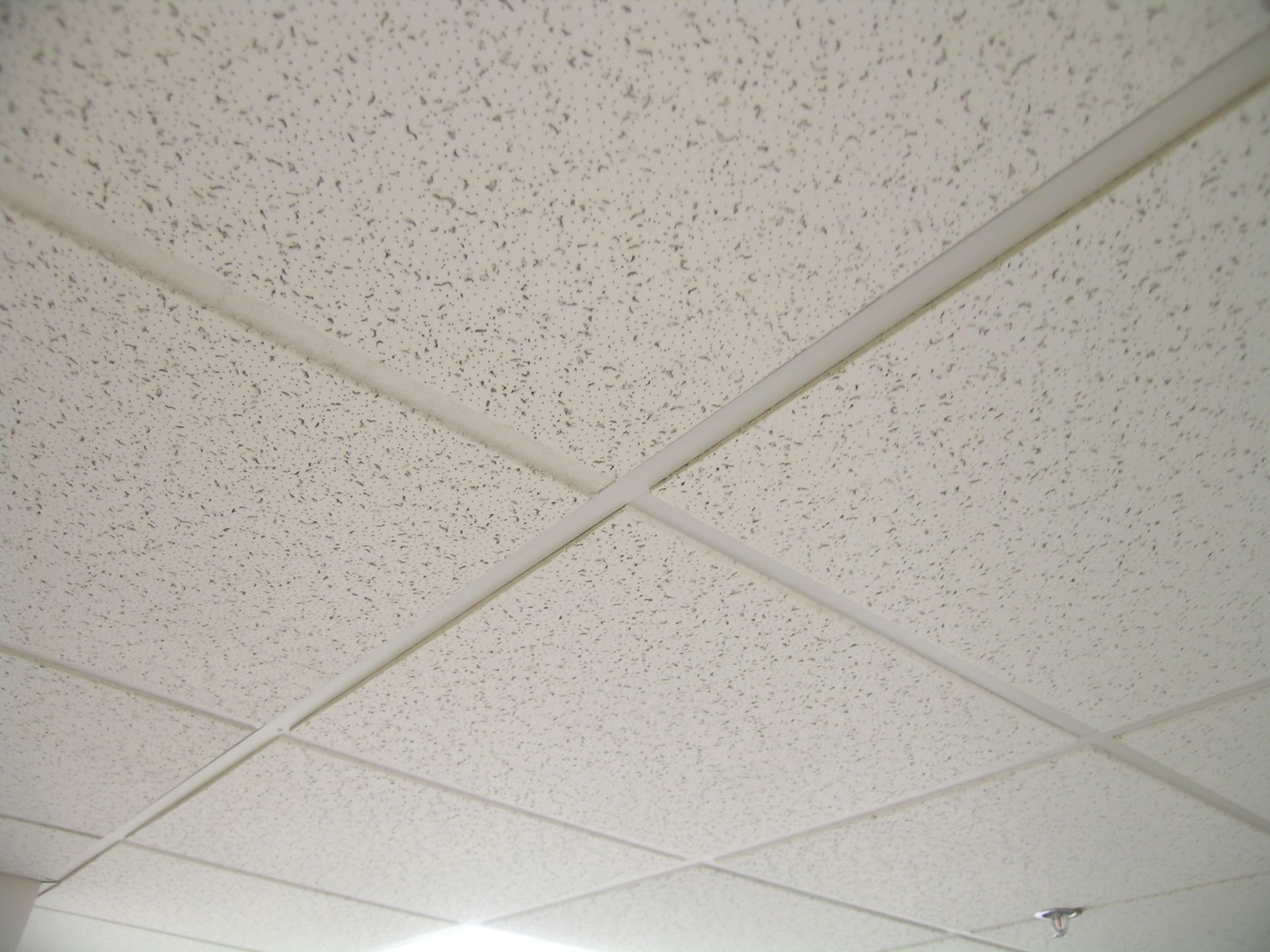
Acoustic ceilings refer to a range of ceiling surfaces that are designed to enhance sound quality by absorbing excessive noise and reducing echo. The primary function of these ceilings is to improve the acoustics of a space, making it conducive for communication and comfort. By implementing sound-absorbing materials, acoustic ceilings can effectively minimize noise pollution, especially in busy or crowded environments. This makes them a valuable addition to places like open-plan offices and lecture halls, where clear communication is paramount. Overall, acoustic ceilings play a crucial role in both improving sound quality and providing acoustic comfort in various settings.
The effectiveness of an acoustic ceiling largely depends on the materials used in its construction. Commonly, materials such as mineral fiber and gypsum are used due to their high sound absorption capabilities. Mineral fiber tiles, for instance, are known for their ability to reduce noise transfer between rooms and are popular in public buildings. Gypsum, on the other hand, offers a versatile and durable surface that can be molded into different designs while maintaining sound-absorbing properties.
In recent years, there has been a surge in innovative designs and technologies in the field of acoustic ceilings. With advancements in materials science and acoustics, manufacturers are developing products that offer superior sound absorption and aesthetic appeal. Trends such as eco-friendly materials, customizable designs, and integrated lighting systems are gaining popularity among designers and architects. According to the Freedonia Group, US demand for ceiling products is forecast to rise 2.1% per year to $2.7 billion, reaching 1.6 billion square feet in 2028, highlighting the increasing emphasis on quality acoustics in interior design.
Considering The Acoustic Benefits
One of the most significant benefits of acoustic ceilings is their remarkable sound absorption capabilities. These ceilings are designed to trap sound waves and prevent them from bouncing around a room, thus reducing the overall noise level. This is particularly beneficial in environments like offices and schools, where excessive noise can be distracting and disruptive. By absorbing sound, acoustic ceilings create a quieter, more conducive environment for concentration and communication.
Acoustic ceilings don't just reduce noise; they also enhance the quality of sound within a space. By eliminating excessive reverberation, these ceilings ensure that sound remains clear and crisp, improving the audio experience. This is particularly valuable in settings such as theaters and music venues, where clarity is essential for audience enjoyment. Additionally, in office spaces, improved sound quality fosters better communication and collaboration among employees.
Echo and reverberation can be significant issues in large, open spaces, leading to a lack of clarity and an increase in noise levels. Acoustic ceilings are designed to tackle these problems by effectively dampening sound reflections. The materials used absorb sound waves, preventing them from bouncing off hard surfaces and causing echoes. This reduction in reverberation not only enhances speech intelligibility but also contributes to a more comfortable and pleasant atmosphere.
Gaining Non-Acoustic Benefits
Beyond their acoustic advantages, acoustic ceilings offer substantial aesthetic enhancements to a space. These ceilings come in a wide array of designs, colors, and finishes, allowing for creative customization that complements the existing décor. Whether aiming for a minimalist look or a bold, artistic expression, acoustic ceilings provide the flexibility needed for sophisticated interior design. They can be tailored to suit any architectural style, making them an attractive option for both traditional and contemporary settings.
Acoustic ceilings additionally serve an important role in thermal insulation, contributing to energy efficiency within buildings. The materials used can help regulate temperature by reducing heat transfer and maintaining a consistent indoor environment. This insulation capability can lead to lower energy consumption for heating and cooling, thereby reducing utility costs. By incorporating acoustic ceilings into building design, one not only enhances sound management but also supports sustainable energy practices.
The integration of lighting systems into acoustic ceilings is another aspect that enhances their functionality. Acoustic ceilings can be designed to seamlessly incorporate lighting fixtures, creating a harmonious and efficient ceiling layout. This integration ensures that lighting complements the acoustic properties, providing uniform illumination while maintaining the ceiling's effectiveness in sound management. Innovative designs even allow for the inclusion of modern LED systems, which can contribute to energy savings and aesthetic appeal.
Overcoming Challenges and Limitations
Despite their numerous benefits, acoustic ceilings can present several challenges during installation. One common issue is the complexity of installation in existing buildings, where structural limitations must be carefully navigated. Additionally, improper installation can result in compromised acoustic performance, making it crucial to employ experienced professionals for the task. There may also be aesthetic concerns if tiles or panels are not aligned correctly, affecting the overall look of the finished ceiling.
Investing in acoustic ceilings involves various cost considerations that must be evaluated against the potential benefits. The initial installation cost can be significant, particularly for high-end materials or custom designs. Furthermore, ongoing maintenance and potential repairs must be factored into the overall budget. However, the long-term benefits, such as improved acoustics and energy savings, often outweigh these initial expenses.
While acoustic ceilings are designed to be durable, certain factors may affect their longevity, leading to potential challenges. Exposure to moisture or extreme temperature fluctuations can compromise the structural integrity of some materials, necessitating repair or replacement. Additionally, damage from impacts or wear over time can detract from the ceiling's aesthetic and acoustic performance. To ensure durability, it's important to select materials and designs that are well-suited to the environment in which they are installed.
Making an Informed Choice
When considering acoustic ceilings, it's essential to begin with a clear assessment of the specific needs and goals for the space. Factors to consider include the primary function of the area, existing sound issues, and desired acoustic outcomes. By understanding these needs, one can make informed decisions about the type, material, and design of the ceiling that will best meet the objectives. A comprehensive assessment allows for strategic planning and tailored solutions that enhance the overall environment. This approach ensures that the final choice effectively addresses both current and anticipated acoustic challenges.
Engaging with acoustics and construction experts is a crucial step in the selection and implementation of acoustic ceilings. Professionals bring valuable insights and technical expertise to the table, aiding in material selection, design customization, and installation planning. Their guidance helps navigate potential challenges, ensuring optimal acoustics and seamless integration with the existing architectural features. Consulting experts also provides access to the latest innovations and trends in acoustic design. This collaborative approach maximizes the potential benefits of acoustic ceilings, leading to successful outcomes.
Acoustic ceilings provide a wide range of benefits that enhance both the sound quality and overall appearance of a space. By effectively managing noise levels, acoustic ceilings promote clearer communication, greater productivity, and improved comfort in offices, schools, healthcare facilities, and homes. In addition to their acoustic advantages, they also offer practical benefits such as thermal insulation, easier maintenance, and versatile design options that complement virtually any interior style. Investing in professionally installed acoustic ceilings can transform the functionality and atmosphere of your environment. To learn more about how
acoustic ceilings can improve your space, contact J & H Specialty Contracting today and schedule a consultation with their experienced team.